Putting off vehicle repairs often feels reasonable when the car still starts, the truck still moves, and the noise only shows up now and then. The trouble is that most urgent repair bills do not begin as emergencies. They begin as small warnings that owners learn to tolerate until a manageable issue turns into a safety concern, a scheduling headache, or a much larger expense. Prioritizing the right repairs early helps protect reliability, preserves resale value, and reduces the risk of being forced into costly last-minute decisions.
That is why many drivers keep coming back to local auto repairs when they want practical answers instead of guesswork. A nearby shop can help identify which concerns truly need immediate attention, which ones can be planned for next month, and which ones are already affecting how the vehicle performs every day. When repairs are ranked in the right order, owners can spend with more purpose and avoid the kind of delays that let one failing part damage another.
Recognizing When Minor Problems Are Growing

One of the clearest signs that a repair should move to the top of the list is change. A vehicle that starts vibrating, pulling, grinding, leaking, hesitating, or overheating is telling you that the condition is no longer stable. Even when the symptom seems minor, the pattern matters. Small changes in sound, feel, or response usually mean wear has progressed beyond routine maintenance and started to affect the way connected systems work together.
Drivers benefit from treating auto repair services as a form of prevention rather than a response to breakdowns. An inspection performed when symptoms first appear gives technicians a better chance to isolate the original fault before surrounding parts absorb extra stress. That approach often leads to more accurate repair planning, fewer return visits, and less disruption to work schedules, family obligations, and daily transportation needs.
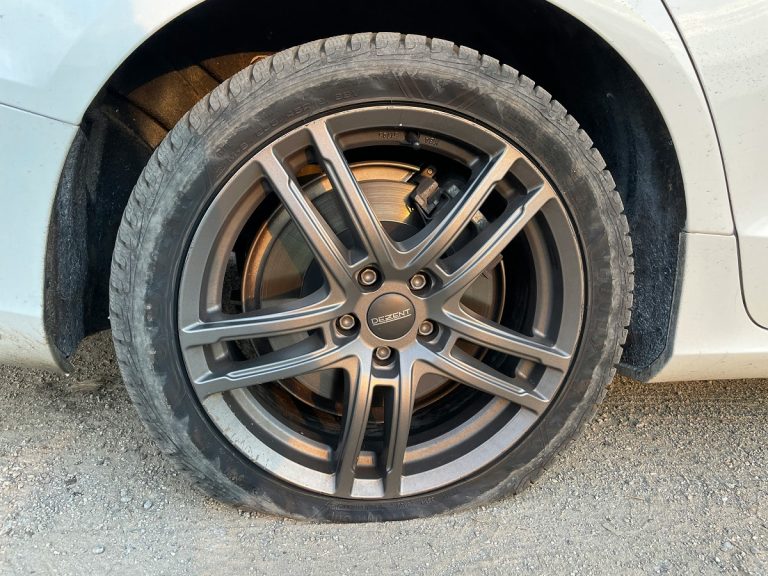
Tire issues are a good example of how delays can multiply risk. Uneven tread wear, sidewall damage, chronic air loss, and vibration at highway speeds all deserve prompt attention because traction, braking, and steering depend on a stable contact patch. Looking at tires for sale only after the condition becomes severe can shrink your options, since you may be forced to replace them immediately instead of comparing fit, timing, and overall value on your own terms.
Urgent repairs also affect confidence behind the wheel. Drivers who are worried about stopping distance, strange noises, or unpredictable handling tend to overcompensate in traffic, and that tension can make everyday driving more tiring than it should be. A vehicle in good repair supports calmer decision-making because it responds consistently when road conditions change, when sudden stops happen, or when longer trips put more stress on major systems.
Why Brake Repairs Move Up The List
Brake concerns belong near the top of any repair priority list because they can worsen quickly and often without much warning. Squealing, grinding, pulsation, a soft pedal, or longer stopping distances should not be treated as annoyances. Scheduling local auto brake repairs early helps address worn pads, damaged rotors, fluid problems, or caliper issues before braking performance drops further and before damaged components begin raising the total cost of the job.
The financial case for acting early is just as strong as the safety case. Replacing parts at the right stage of wear is usually simpler than waiting until heat, metal-on-metal contact, or fluid loss creates additional damage. Brake systems work under pressure every time a vehicle is driven, so delay does not freeze the problem in place. It gives the problem repeated chances to spread.
A good car mechanic will usually focus first on what affects safe operation, then explain how that repair connects to the rest of the maintenance picture. That order matters because owners often arrive with a list of concerns that vary in urgency. A skilled assessment can separate a true stopping or steering issue from cosmetic wear or routine upkeep, which makes it easier to approve the work that protects the vehicle now and schedule the rest more strategically.
Early local auto brake repairs also help preserve everyday drivability in ways drivers notice immediately. When the system is working as intended, stopping feels smoother, pedal response is more predictable, and traffic situations become easier to manage without abrupt corrections. Prioritizing that repair can also reduce strain on tires and suspension components, since unstable braking often affects how the vehicle tracks and settles under load.
Body Damage Can Spread Beyond Appearance

Body damage is easy to underestimate when the vehicle still seems mechanically sound. A dented panel, cracked bumper, damaged light housing, or misaligned frame area may look like a problem that can wait until a more convenient season. In reality, collision repair services often protect more than appearance. They can address hidden structural issues, compromised mounting points, sensor alignment concerns, and exposed surfaces that may become more vulnerable to corrosion over time.
Delay creates a separate problem after an impact because damage rarely stays isolated in the same way it looked on the first day. Moisture can reach exposed metal, trim can loosen, lights can work intermittently, and alignment-related wear can begin showing up in places that did not seem affected at first. What begins as a repair you postpone for aesthetic reasons can become one that affects visibility, sealing, or the long-term condition of the vehicle body.
Scheduling local auto body services sooner can make the repair plan cleaner and more predictable. Shops can inspect panel fit, door closure, paint damage, weather sealing, and the condition of adjacent components before secondary wear changes the scope of work. Acting earlier also helps owners protect resale value, since buyers tend to notice deferred body damage and may assume the mechanical condition has been neglected as well.
Prioritizing collision repair services is especially important on newer vehicles that rely on cameras, sensors, and calibrated components to support everyday safety features. Even a relatively modest impact can affect how those systems are positioned or protected. Addressing the damage promptly gives technicians a better chance to restore proper fit and function before repeated driving, weather exposure, or improvised fixes complicate the repair process further.
Drivetrain Problems Rarely Stay Small
Transmission problems rarely improve with time. Slipping, hard shifts, delayed engagement, fluid leaks, burning smells, or unusual noises usually indicate that internal wear or hydraulic problems are developing under conditions that create even more stress with every drive. Bringing the vehicle to a transmission repair shop as soon as those symptoms appear can help limit damage, preserve more repair options, and reduce the odds of a complete failure that leaves the vehicle unusable.
This area of the vehicle also illustrates why repair timing matters so much. A drivetrain issue affects power delivery, heat, and internal friction all at once, which means owners can do a great deal of extra damage while hoping the symptom will settle down on its own. By the time a vehicle refuses to shift properly or loses movement altogether, the choice may no longer be between a targeted fix and a larger repair. It may be between a major rebuild and replacement.
Owners of work vehicles face even more pressure because downtime directly affects income, scheduling, and customer commitments. That is one reason diesel mechanics are often asked to diagnose concerns before they become full stoppages. Trucks and heavier-use vehicles accumulate strain through towing, hauling, idling, and extended operating hours, so a small drivetrain complaint can carry larger consequences when the vehicle is central to daily operations.
Visiting a transmission repair shop early can also improve budgeting. When a symptom is documented promptly, the shop has more opportunity to test the vehicle, inspect fluid condition, and identify whether the problem is tied to wear, electronics, cooling, or related components. That clearer diagnostic picture can help owners make better decisions about repair timing, expected use, and whether the vehicle should keep serving its current role long term.
Handling, Load, And Tire Issues Affect Daily Safety
Some repairs become urgent because they affect how a vehicle handles weight, weather, and changing road conditions. Suspension wear, steering looseness, poor traction, or overloaded equipment can make an otherwise dependable vehicle feel unstable. Even add-ons should be considered carefully. Changes involving truck accessories that affect ride height, storage load, towing setup, or wheel-and-tire fit need to work with the vehicle rather than against its braking, handling, and visibility.
Replacement timing matters with rolling stock as well. Waiting until cords show, traction disappears, or seasonal weather arrives can force a rushed decision about tires for sale when inventory, pricing, or installation timing is less favorable. Prioritizing tire replacement before the situation becomes urgent gives drivers more control over fit, tread design, ride expectations, and the shop schedule, while also reducing the chance of related suspension or alignment wear being overlooked.
Drivers often think of safety only in terms of parts that fail dramatically, but gradual loss of control can be just as risky. A vehicle that wanders, shakes under braking, or struggles in rain does not need a catastrophic event to become dangerous. It only needs one hard stop, one sharp turn, or one overloaded trip to reveal that a manageable issue was allowed to keep growing past the point of reasonable delay.
That same logic applies to work trucks and commercial vehicles that depend on predictable performance under heavier demands. In daily service, diesel mechanics often see how quickly a modest concern can interfere with towing stability, load control, or route reliability when a truck is used every day. Prioritizing the right repairs helps keep the vehicle usable in the conditions it actually faces, not just functional enough to move around the block without obvious trouble.
Repair Timing Helps Control Costs

Repair timing is not only about safety. It is also about controlling the way money leaves the budget. When owners delay too long, they lose the ability to compare options, plan around pay periods, or combine related work efficiently. Using auto repair services early creates more room to decide whether a repair should happen immediately, whether related maintenance should be completed at the same visit, and how to prevent repeated labor costs from piling up over several appointments.
There is also a practical sequencing benefit to early action. A vehicle inspection done before a problem becomes severe makes it easier to decide what belongs in this month’s budget and what can wait a little longer without creating new risk. That kind of planning tends to reduce panic spending. It also gives owners more time to ask better questions about expected wear, future priorities, and how current repairs support longer-term reliability goals.
For many households, the value of local auto repairs is not just convenience. It is continuity. Returning to the same shop over time can create a clearer service history, better familiarity with recurring concerns, and more useful conversations about what should be handled next. That record helps owners make decisions based on patterns instead of reacting to each symptom as if it appeared in isolation, which usually leads to steadier spending and fewer surprises.
Working with a trusted car mechanic can support that same long-view approach. A technician who understands how the vehicle is used can frame repairs around commute length, hauling demands, storage conditions, seasonal driving, and the owner’s budget tolerance. That perspective matters because the right next repair is not always the loudest symptom. Sometimes it is the repair that prevents a known weak point from disrupting everything else a month later.
Keeping Reliability In Focus
The strongest repair strategy is not chasing every noise the moment it appears. It is learning which problems can wait briefly and which ones become more expensive, more disruptive, or less safe when ignored. From local auto body services to brake work, drivetrain diagnostics, and tire replacement, each category affects a vehicle differently, but they share one important pattern. Early attention usually protects choice, while delay reduces it.
The same principle applies when owners are considering upgrades or utility changes. Well-chosen truck accessories can be worthwhile additions when the underlying vehicle is already in sound condition and the equipment suits how the truck is actually used. Prioritizing repairs before add-ons helps ensure that money goes first toward reliability, braking, traction, and safe operation, which gives any later upgrade a stronger foundation and a more practical purpose.
Drivers do not need to panic over every symptom, but they do benefit from acting before uncertainty becomes failure. The most useful mindset is to treat new noises, warning lights, handling changes, leaks, and post-collision damage as information that deserves a prompt decision. Prioritized repairs keep the vehicle more dependable, make budgets easier to manage, and reduce the odds that one deferred issue will force several others to the top of the list all at once.
When repairs are handled in a timely, logical order, the payoff is not limited to the invoice. Owners gain safer performance, steadier planning, and more confidence every time they drive. That is the real benefit of moving important repairs up the schedule: you protect the vehicle’s function today while making tomorrow’s maintenance decisions simpler, clearer, and less expensive to manage.
About the Author