The sudden transition from a smooth commute to the jarring reality of a roadside emergency is one of the most stressful experiences a driver can face. Whether it is the result of a mechanical failure, a blown tire, or a multi-vehicle impact, the moments following the event are critical for your physical safety, your financial health, and your legal protection. Most drivers react with a mix of adrenaline and confusion, making it difficult to remember the specific steps required to manage the situation effectively.
This guide is designed to serve as a comprehensive roadmap for those navigating the aftermath of a roadside crisis. We will explore the immediate protocols for scene safety, the technical nuances of vehicle restoration, and the strategic decisions involved in legal recovery and vehicle replacement. By understanding the full spectrum of services available—from emergency recovery to specialized legal counsel—you can transform a chaotic event into a manageable process of recovery and return to the road with confidence.
Immediate Protocol for Securing Your Safety
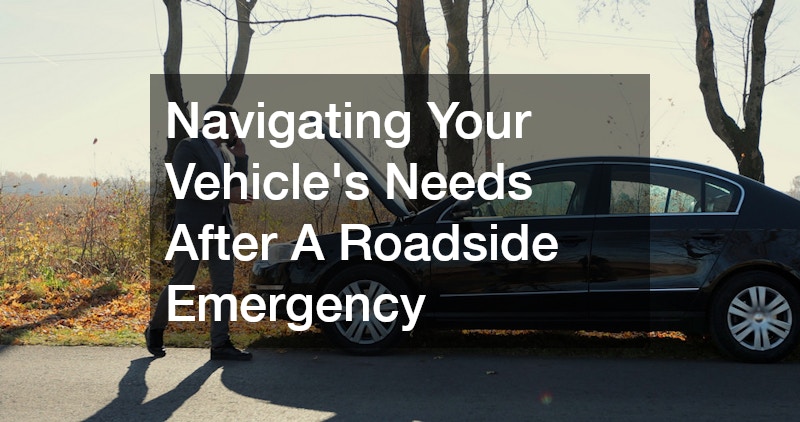
The first sixty seconds after a vehicle comes to a halt on the side of a busy highway are the most dangerous. Secondary accidents—where passing motorists strike a disabled vehicle—are a leading cause of roadside fatalities. Your primary goal is to create a “safety bubble” around yourself and your passengers. If the car is still mobile, try to reach the furthest point of the shoulder, ideally behind a guardrail or on a flat, grassy area.
-
Exit Strategy: Always exit your vehicle through the doors furthest from moving traffic. If you are on the left shoulder, exit through the right side; if on the right shoulder, exit through the left.
-
Visibility Tools: Turn on your hazard lights immediately. If you have them, place reflective triangles or flares starting at 50 feet behind your car and extending to 200 feet to give high-speed drivers ample warning.
-
Stay Clear: Never stand directly in front of or behind your vehicle. If another car strikes yours, you do not want to be pinned between the two.
Once you have secured your physical person, the logistical recovery begins. In many municipalities, you cannot leave a disabled vehicle on the shoulder for an extended period without risking a police impound. It is essential to contact a reliable local towing service that has the proper equipment for your specific drivetrain, particularly if you have an all-wheel-drive or electric vehicle. While waiting for recovery, use the time to research high-quality local auto services that specialize in diagnostics rather than just general repair. Having a destination pre-planned for the tow truck driver ensures that your vehicle is handled by professionals who can provide a transparent assessment of the damage.
Assessing Mechanical and Aesthetic Damage
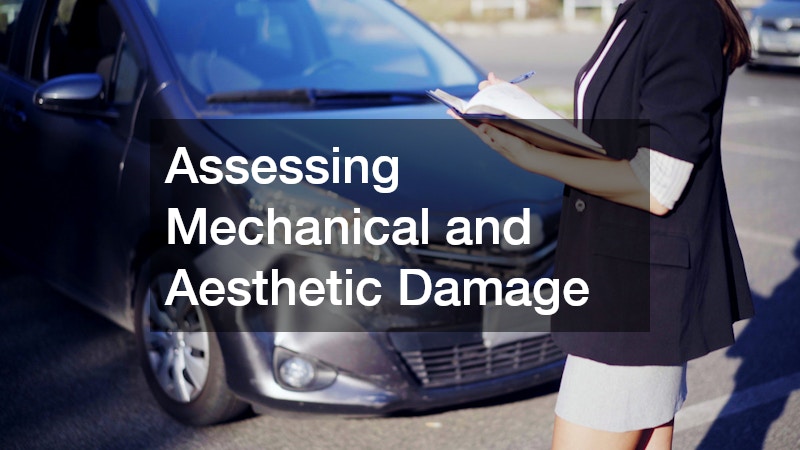
Once the vehicle has been moved to a secure facility, the focus shifts to a detailed damage assessment. This is a multi-layered process that goes beyond what the naked eye can see. A car may look largely intact while suffering from a cracked radiator, a bent frame, or compromised safety sensors. Understanding the difference between cosmetic blemishes and structural failures will dictate your entire repair strategy.
-
External Documentation: Take high-resolution photos from every angle, including the undercarriage and the interior, where airbags may have deployed.
-
Diagnostic Scanning: Modern vehicles are rolling computers. A professional shop must run a full system scan to identify “hidden” fault codes in the engine control unit and safety modules.
-
Fluid Check: Look for leaks of red, green, or amber fluids, which indicate damage to the cooling, steering, or transmission systems.
For vehicles that have sustained a significant impact, you will need to engage a specialized collision repair service. These facilities have the hydraulic frame-straightening equipment necessary to ensure the vehicle’s skeleton is returned to factory specifications. However, not every emergency involves a major wreck. If the damage is limited to door dings from road debris or minor hail damage during a storm, a local dent repair service can often utilize paintless techniques to restore the bodywork without the need for expensive repainting, preserving the original factory finish and saving you thousands of dollars in labor costs.
Legal Safeguards and Rights Protection
When a roadside emergency is caused by another driver’s negligence, the mechanical repair is only half of the battle. You are also entering a complex legal and insurance environment. Insurance adjusters are trained to minimize payouts, and without professional representation, you may find yourself struggling to cover medical bills or the true cost of vehicle restoration. Protecting your rights starts at the scene of the emergency.
-
The Police Report: Even for minor incidents, a police report provides an unbiased third-party account of the event, which is vital for insurance claims.
-
Statement Caution: Be polite but concise. Do not admit fault or speculate on the cause of the accident to the other driver or witnesses.
-
Witness Information: Collect names and phone numbers of anyone who stopped to help or saw the incident occur.
If you have sustained injuries, even minor ones like whiplash, consulting a personal injury lawyer is a necessary step to ensure your future medical needs are covered. Legal professionals in this field understand the long-term impacts of soft-tissue injuries that may not be apparent until days after the adrenaline wears off. Furthermore, if the dispute involves significant property damage or liability disagreements, a local auto accident attorney can provide the specific expertise needed to challenge unfair insurance denials and negotiate a settlement that reflects the actual market value of your repairs and lost time.
Restoring Performance and Resale Longevity
After the legal and insurance hurdles are cleared, the physical restoration of the vehicle must be handled with an eye toward longevity. A common mistake is focusing only on the exterior panels while ignoring the “gut” of the car that was jarred during the emergency. Violent stops or side-impacts can put immense stress on internal components that were never designed for such forces.
-
Drivetrain Integrity: Impacts can misalign the engine mounts or cause internal seals to fail. Always request a pressure test of the cooling and hydraulic systems.
-
Sensor Recalibration: If your car has lane-assist or emergency braking, the cameras and radar units must be recalibrated after any bodywork to ensure they are pointing in the correct direction.
-
Paint Matching: Ensure the shop uses a spectrophotometer to match the aged paint of your car, rather than just using the factory color code, which may have faded over time.
One often-overlooked area during post-accident repair involves transmissions, which can suffer internal damage if the vehicle was towed improperly or if the impact occurred while the car was in gear. A thorough inspection of the gearbox is vital to prevent a total failure six months down the line. Once the mechanical and structural work is complete, applying a high-grade automotive coating to the repaired areas is a smart investment. This protective layer ensures that the new paint is shielded from UV rays and road salt, helping the repaired sections blend seamlessly with the original finish and preventing the premature oxidation that often plagues low-quality repairs.
Evaluating the Future of the Vehicle
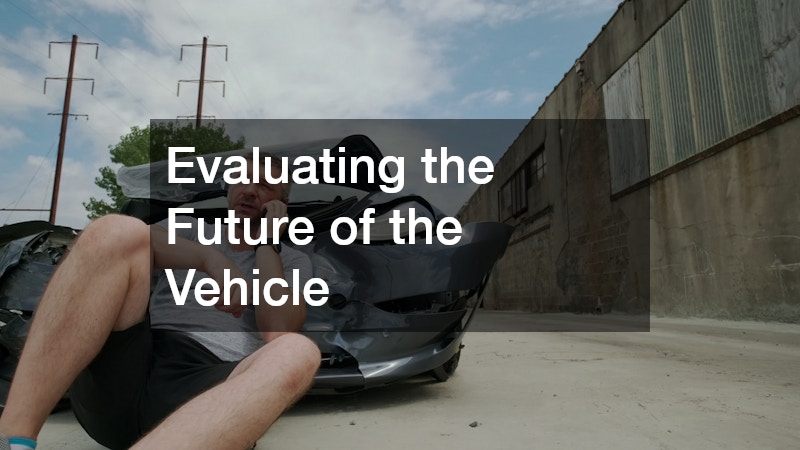
There comes a moment in every roadside recovery where you must ask the “golden question”: Is this car worth saving? Every vehicle has a tipping point where the cost of restoration exceeds its functional and emotional value. This decision is particularly difficult with modern cars, where the cost of replacing specialized electronics and airbags can quickly escalate into the tens of thousands.
-
The Market Value Test: Compare the repair estimate against the private-party resale value. If the repairs cost more than 60% of the car’s value, it is often considered a total loss.
-
Safety Confidence: Ask yourself if you will feel safe putting your family back in a car that has had significant frame or airbag work.
-
Insurance Totaling: If the insurance company “totals” the car, you usually have the option to keep the “salvage title” vehicle or take a cash payout.
If you decide that the vehicle is no longer viable, you will likely find yourself in the market for a reliable used car to replace it. This transition allows you to move into a newer model with updated safety features that might have prevented the emergency in the first place. For the damaged remains of your previous vehicle, utilizing junk car removal services is the most efficient way to clear your driveway. These services handle the logistics of hauling away the non-running unit and often provide a small cash payment based on the scrap metal value, providing a clean break from the incident and the funds to start fresh.
Establishing a Proactive Maintenance Routine
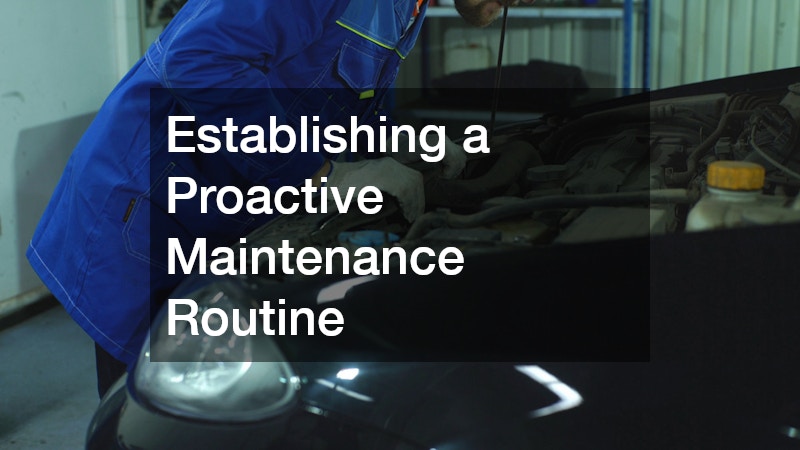
The best way to handle a roadside emergency is to prevent the ones that are within your control. While you cannot prevent a distracted driver from hitting you, you can prevent a mechanical failure from leaving you stranded. A proactive maintenance routine builds a “margin of safety” into your driving life.
-
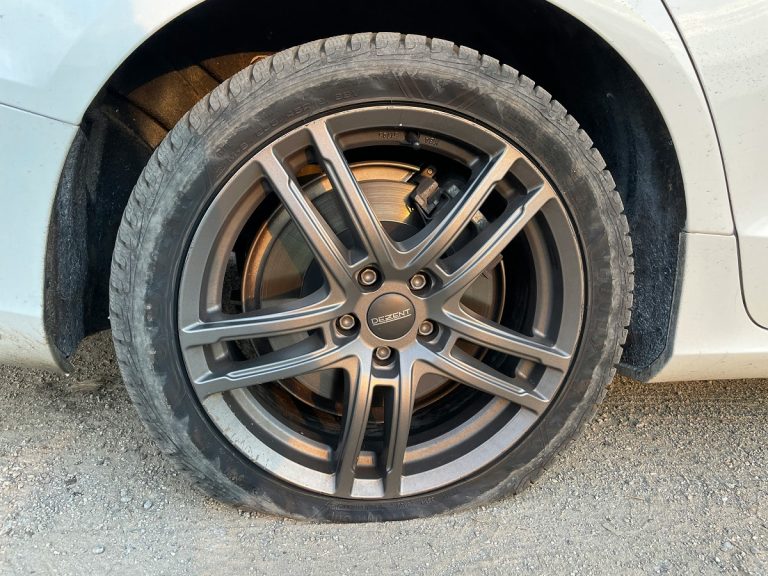
Tire Life Management: Check your tire pressure and tread depth monthly. Balding tires are the number one cause of hydroplaning and avoidable roadside slides.
-
Battery Health: Most car batteries last three to five years. If yours is older, have a load test performed before the winter or summer months when temperature extremes put the most strain on the cells.
-
Fluid Levels: Regularly checking your oil, coolant, and brake fluid can help you spot small leaks before they turn into a catastrophic engine or brake failure on the highway.
In addition to mechanical checks, review your emergency kit annually. Ensure your flares are not expired, your first aid kit is stocked, and you have a physical list of contact numbers for your preferred repair shops and legal advisors. Modern cars are incredibly resilient, but they are not invincible. By combining a well-maintained vehicle with a clear plan of action for when things go wrong, you remove the element of panic from the equation.
Building a Support Network of Experts

No driver is an island. Successfully navigating the aftermath of an emergency requires a team of professionals who are experts in their respective fields. You should have the contact information for a trusted mechanic, a high-quality body shop, and a legal representative saved in your phone long before you ever need to use them.
-
Vetting Professionals: Look for certifications like ASE for mechanics and I-CAR for collision technicians. These indicate a commitment to ongoing education in a rapidly changing industry.
-
Online Reputation: Read reviews not just for the star rating, but for how the business handles complaints. A shop that stands by its work is worth its weight in gold.
-
Clear Communication: The best professionals are those who can explain complex mechanical or legal concepts in plain English, allowing you to make informed decisions.
When you have a pre-vetted network of experts, the recovery process moves much faster. You aren’t scrambling to find a tow truck or a lawyer while standing on the side of the road in the rain; instead, you are simply executing a plan you have already made. This proactive approach saves time, reduces stress, and almost always leads to a better financial and mechanical outcome.
A roadside emergency is a significant life event that tests your patience, your finances, and your resilience. However, it does not have to be a permanent setback. By following a structured protocol—starting with immediate physical safety and moving through diligent documentation, expert mechanical repair, and strategic legal counsel—you can navigate the complexities of the modern automotive landscape.
The road ahead is always uncertain, but your ability to manage that uncertainty is what defines a responsible driver. Each step you take to protect your vehicle and your rights is an investment in your future mobility. As you move past the crisis and back into your daily routine, carry the lessons learned with you. Update your emergency kit, stay diligent with your maintenance, and maintain your relationships with the professionals who helped you through the storm. With the right knowledge and a solid plan, you can face any roadside challenge with the calm and clarity required to ensure a safe journey home.
About the Author