Owning a motor vehicle represents one of the most significant everyday investments a household will make. Beyond the initial purchase price, maintaining a car, truck, or SUV requires an ongoing commitment to routine safety checks, proactive mechanical service, protective upgrades, and smart long-term planning. For many drivers, navigating the world of auto maintenance can feel overwhelming, leading to neglected repairs, unexpected breakdowns, and severe vehicle depreciation over time.
Deferring maintenance might seem like a way to save money in the short term, but it almost always leads to compounding costs later. A minor fluid leak left unaddressed can destroy a major system, a small stone chip can shatter an entire windshield, and worn friction materials can compromise braking efficiency during a high-speed emergency stop. Developing a structured, proactive mindset regarding vehicle care transforms your vehicle into a safe, comfortable, and dependable mode of transportation that retains its value for years to come.
By learning how mechanical systems function, recognizing early warning signs of component failure, and knowing when to engage specialized professional services, you take full control of your driving experience. This comprehensive guide covers every stage of vehicle ownership, helping you make informed decisions about major mechanical overhauls, protective glass treatments, emergency preparedness, and eventual vehicle trade-ins or disposal.
Core Mechanical Maintenance and Major Engine Repairs
The engine and braking systems form the operational backbone of any motor vehicle. Ensuring these critical components receive regular inspections, high-quality replacement parts, and timely mechanical service protects both your safety on the highway and your financial investment in the vehicle.
Maintaining Braking Efficiency and Stopping Power
A vehicle’s braking system relies on precise hydraulic pressure and controlled friction to convert kinetic energy into thermal energy, bringing thousands of pounds of steel to a smooth, controlled halt. Over time, heat, moisture, and intense friction wear down these critical components.
-
Recognize Telltale Wear Indicators: Listen closely for high-pitched squealing or grinding metallic sounds when pressing the brake pedal. Pedals that feel soft or spongy, or a steering wheel that vibrates under heavy braking, indicate uneven rotor wear or air bubbles in hydraulic lines.
-
Inspect Pads and Rotors Regularly: Check the thickness of your brake pads during every routine tire rotation. The friction material should never be allowed to wear down below three millimeters, as metal-on-metal contact will quickly score and ruin expensive brake rotors.
-
Flush Hydraulic Fluid Periodicially: Brake fluid is hygroscopic, meaning it naturally absorbs moisture from the atmosphere over time. Moisture lowers the boiling point of the fluid, leading to pedal fade during prolonged downhill driving or heavy braking.
Addressing brake system issues at the first sign of trouble prevents extensive rotor scoring and calliper damage. Arranging professional brake repair restores firm pedal feedback, prevents uneven tire wear, and ensures your vehicle delivers maximum stopping power when sudden road hazards arise.
Managing Severe Powertrain Failures and Engine Overhauls
When an internal combustion engine suffers severe structural or mechanical failure, the driver faces one of the most critical maintenance decisions of vehicle ownership. Internal components operate under extreme pressures and temperatures; without adequate lubrication or cooling, catastrophic failure can occur rapidly.
-
Identify Severe Internal Distress: Excessive blue or white exhaust smoke, loud metallic knocking coming from the engine block, low oil pressure warnings, and persistent overheating are signs of severe internal damage, such as blown head gaskets or spun rod bearings.
-
Perform Diagnostic Testing First: Before assuming an engine is completely ruined, have a certified technician perform a cylinder compression test, a leak-down test, and an oil analysis to pinpoint the exact failure point.
-
Evaluate Financial Viability: Compare the current market value of your vehicle against the total cost of installing a replacement powertrain. If the chassis, transmission, electrical system, and body remain in excellent condition, replacing the motor is often significantly cheaper than purchasing a new vehicle.
When an engine block suffers unrepairable damage—such as a cracked block or a thrown connecting rod—a complete engine swap becomes necessary. Investing in certified auto engine replacements gives your vehicle a fresh lease on life, restoring factory horsepower, fuel efficiency, and operational reliability without forcing you into years of new car loan payments.
Auto Glass Care, Repair, and Protective Window Films
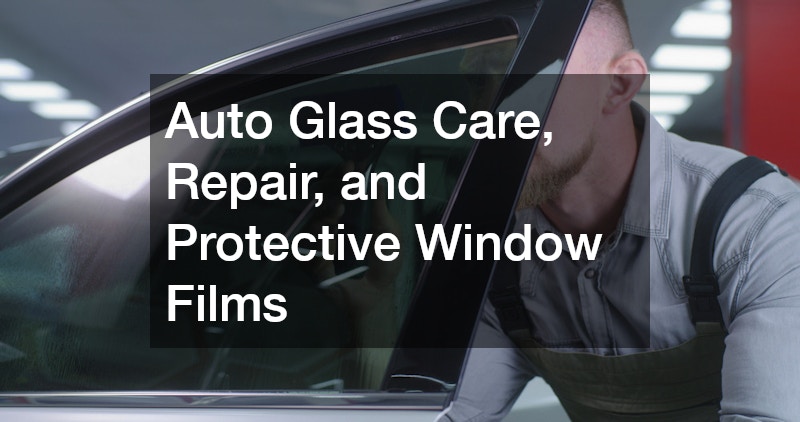
Structural automotive glass does far more than keep wind and rain out of the cabin. Modern windshields serve as a primary structural support for the vehicle’s roof frame during a rollover accident and act as a backstop for passenger airbag deployment. Keeping glass clear and structurally sound is vital for total cabin protection.
Addressing Windshield Chips and Structural Glass Damage
A small rock flung from a passing truck can instantly pit or chip your windshield. While a minor chip may seem cosmetic, extreme temperature shifts, road vibrations, and twisting frame forces can cause small pits to rapidly expand into wide structural cracks.
-
Act Rapidly on Small Chips: As soon as an impact occurs, cover the spot with a piece of clear tape to keep dirt and moisture out of the microscopic glass fractures until it can be evaluated.
-
Avoid Sudden Temperature Swings: Do not blast high heat onto a frozen windshield or spray freezing water onto hot glass, as rapid thermal expansion will cause minor chips to crack across the entire surface instantly.
-
Understand Modern Glass Calibration: Modern vehicles feature camera systems mounted behind the glass for lane assistance and automatic emergency braking. Any major glass repair or replacement must account for precision camera alignment.
Small chips and short cracks that have not penetrated the laminate layer can usually be filled with specialized optically clear resin. Seeking prompt windshield crack repair seals the glass, restores visual clarity, and prevents fractures from spreading across your line of sight.
However, when cracks exceed several inches in length, extend to the edge of the frame, or sit directly in the driver’s primary field of view, repair is no longer a safe option. Arranging a complete auto glass replacement restores total structural rigidity to the cabin, ensures seamless camera recalibration for advanced driver-assistance features, and provides a clear, distortion-free view of the road ahead.
Enhancing Cabin Comfort and UV Protection with Window Films
Installing high-performance window films onto interior glass surfaces provides numerous functional benefits beyond simply darkening the windows for privacy. Quality films reduce solar heat gain, protect passengers from harmful ultraviolet radiation, and safeguard interior materials from cracking and fading.
-
Block Solar Energy and Glare: Advanced ceramic and carbon window films block up to 99 percent of UV rays and reject a massive percentage of infrared heat, keeping cabin temperatures cooler and reducing the workload on your air conditioning system.
-
Protect Interior Materials: Leather upholstery, synthetic dashboard covers, and electronic displays degrade rapidly under continuous sun exposure. Window films act as a barrier against solar damage.
-
Ensure Regulatory Compliance: Every state and municipality sets specific legal limits regarding Visible Light Transmission (VLT) percentages for front, rear, and side windows. Ensure chosen films fall within local legal guidelines to avoid traffic citations.
For front windshields, which absorb the highest volume of direct sunlight, specialized non-darkened solar films offer clear visibility while rejecting intense heat. Utilizing a professional windshield tinting service ensures high-grade, optically clear film is precision-cut and applied without interfering with visibility or onboard sensors.
For complete side and rear window coverage, partnering with experienced auto tinting services guarantees seamless, bubble-free installation that will not peel, purple, or interfere with rear-window defrosting elements over time.
Specialized Mechanical Systems and Emergency Roadside Planning
Vehicle ownership often involves managing specialized utility systems or handling unexpected roadside emergencies far away from home. Being prepared for complex mechanical repairs and unexpected breakdowns minimizes downtime and keeps you safe in any situation.
Servicing Hydraulic Equipment and Heavy Utility Machinery
Many heavy-duty pickup trucks, utility vehicles, commercial haulers, and specialized boat trailers utilize high-pressure hydraulic circuits to power power-steering racks, hydraulic brakes, snowplows, dump beds, and tilt trailers. These fluid power systems require dedicated maintenance strategies.
-
Inspect Lines and Connections Routine: High-pressure hydraulic hoses operate under immense stress. Inspect lines regularly for signs of outer casing abrasion, fluid weeping around crimped fittings, or severe cracking.
-
Monitor Fluid Quality and Pressure: Hydraulic fluid must remain clean and free of water contamination. Cloudy or milky fluid indicates water intrusion, while a burnt smell signals severe thermal breakdown.
-
Address Cylinder Drift and Seal Failure: If a hydraulic lift slowly drops under load or fluid leaks along the main piston rod, internal wiper seals or O-rings have failed and require immediate service.
Ignoring minor hydraulic leaks can lead to complete pressure loss, pump starvation, and sudden equipment failure under heavy loads. Relying on specialized hydraulic cylinder repair restores precision pressure seals, eliminates fluid leaks, re-chromes scored piston rods, and ensures heavy working equipment operates safely and smoothly under demanding conditions.
Preparing for Unexpected Roadside Breakdowns and Accidents
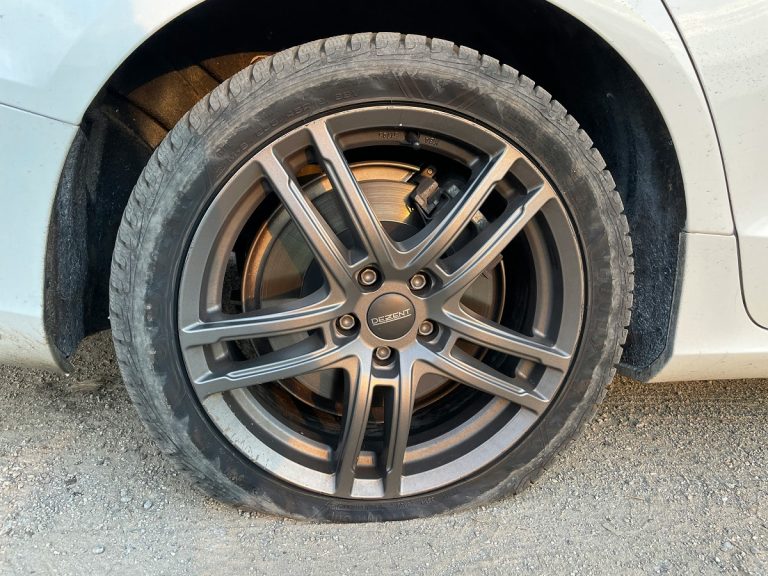
Even the most meticulously maintained vehicle can experience an unexpected flat tire, dead battery, or mechanical failure on the highway. Developing a comprehensive roadside emergency response plan ensures that a minor inconvenience does not escalate into a dangerous situation.
-
Assemble a Roadside Emergency Kit: Keep a dedicated emergency bag in your trunk containing heavy-duty jumper cables or a portable lithium jump-pack, a tire pressure gauge, a digital inflator, LED roadside flares, reflective safety vests, a first-aid kit, and basic hand tools.
-
Know How to Handle Sudden Failures: If a blowout or engine stall occurs on the highway, remain calm, signal early, and carefully coast the vehicle onto the right-hand shoulder, well away from moving traffic lanes.
-
Practice Safety Protocol While Waiting: Turn on your hazard lights immediately. If stopped on a busy highway shoulder, stay buckled inside the vehicle unless you can step safely behind a protective guardrail away from the roadway.
When a vehicle cannot be safely driven due to mechanical failure, flat tires, or collision damage, immediate professional transport is required. Storing the contact details for a dependable 24 hour towing service directly in your mobile phone guarantees that professional, flatbed transport assistance is available no matter what time of day or night you encounter trouble.
Navigating Vehicle Upgrades, Trades, and End-of-Life Disposal
Every vehicle reaches a point in its lifecycle where ongoing maintenance costs must be weighed against its total utility and value. Understanding how to navigate vehicle purchases, trade-ins, and end-of-life disposal allows you to transition between vehicles smoothly while maximizing your financial return.
Upgrading Your Ride Through Reputable Dealerships
When maintenance costs begin to outweigh a vehicle’s value, or your lifestyle demands change, upgrading to a newer pre-owned or new vehicle is often the most sensible choice.
-
Establish a Clear Budget: Calculate total ownership expenses—including monthly payments, insurance rate adjustments, fuel costs, and scheduled maintenance—before beginning your search.
-
Inspect Vehicle History Reports: When shopping for pre-owned vehicles, closely examine comprehensive history reports to verify title status, past service records, odometer readings, and previous accident history.
-
Conduct Thorough Test Drives: Test drive prospective vehicles on varied road surfaces, testing acceleration, hard braking, steering responsiveness, climate control, and electronic safety features.
Purchasing a vehicle through an established, licensed auto dealer provides significant advantages, including clear title transfers, transparent vehicle conditioning reports, access to certified pre-owned warranty programs, and flexible financing options tailored to your budget.
Monetizing Inoperable and High-Mileage Vehicles
Eventually, older vehicles reach the end of their useful service lives. High-mileage vehicles with blown engines, severe frame rust, or extensive accident damage often cost more to repair than the entire vehicle is worth on the open market.
-
Calculate the Financial Threshold: If an estimate for necessary mechanical repairs exceeds the private-party market value of the running vehicle, investing more money into it is financially unwise.
-
Recognize the Cost of Storage: Leaving an non-running vehicle sitting in a driveway or yard leads to fluid leaks, dry-rotting tires, pest infestation, and potential municipal code fines.
-
Gather Necessary Title Documentation: Locate your clean vehicle title and clear out all personal belongings, garage door openers, and toll transponders before arranging final removal.
Instead of paying to store or tow a non-running vehicle away, leveraging specialized services that buy cars for cash provides a fast, hassle-free solution. These services evaluate your junk or scrap vehicle, offer fair market compensation, and handle complete vehicle removal and title transfers, turning a driveway eyesore into immediate financial value.
Mastering the Art of Long-Term Vehicle Ownership
Maintaining a modern automobile requires a balanced combination of proactive mechanical care, timely protective updates, and clear decision-making across every stage of the vehicle’s life. By prioritizing routine brake services, keeping glass free from structural cracks, protecting interior cabin space with quality solar films, and maintaining essential emergency contacts, you preserve both the operating safety and total financial value of your vehicle.
Taking an active interest in your car’s maintenance schedule transforms routine vehicle ownership into an organized, stress-free routine. Audit your vehicle’s service records today, resolve minor mechanical or cosmetic issues before they grow into major repairs, and drive with confidence knowing your vehicle is fully prepared for the road ahead.
About the Author