Vehicle ownership comes with regular responsibilities, and maintenance is one of the most important. Small issues can develop into larger problems when they are overlooked, especially when a vehicle is driven regularly or exposed to difficult road and weather conditions. Understanding how maintenance affects a vehicle can make it easier to recognize why timely care matters. Each part of a vehicle plays a role in its overall condition. This article explains how proper maintenance can help reduce the risk of expensive repairs and keep a vehicle functioning more reliably.
Identifying Small Problems Early
One of the main benefits of regular maintenance is the opportunity to find problems while they are still relatively minor. A strange noise, warning light, fluid leak, or change in handling may indicate that a component needs attention. Waiting until the vehicle stops working can allow the underlying issue to become more extensive.
Scheduling an auto repair service can help identify concerns that may not be obvious during everyday driving. Professional inspections can involve looking at important mechanical systems, checking for visible wear, and identifying components that may require attention. Addressing these concerns earlier may help limit the amount of damage that develops.
Common warning signs that may deserve professional attention include:
- Unusual engine or exhaust noises
- New vibrations while driving
- Dashboard warning lights
- Fluid leaks beneath the vehicle
- Changes in acceleration or braking
- Difficulty starting the vehicle
- Unusual smells coming from the engine or cabin
Protecting the Engine Through Routine Care
The engine is one of the most important and complex systems in a vehicle. It relies on clean fluids, proper lubrication, adequate cooling, and numerous components working together. Neglecting routine maintenance can increase wear and place additional strain on engine parts.
Oil changes are an important part of engine maintenance because oil helps lubricate moving components and manage heat. As oil becomes contaminated or breaks down, it may provide less effective lubrication. Following the vehicle manufacturer’s recommended maintenance schedule can help keep the engine operating under appropriate conditions.
Cooling system maintenance also matters. Low coolant levels, damaged hoses, or problems with related components can contribute to overheating. An overheated engine may suffer significant damage if the problem is not addressed promptly. Regular inspections can help identify cooling system concerns before they develop into more serious car repairs.
Addressing Transmission Warning Signs
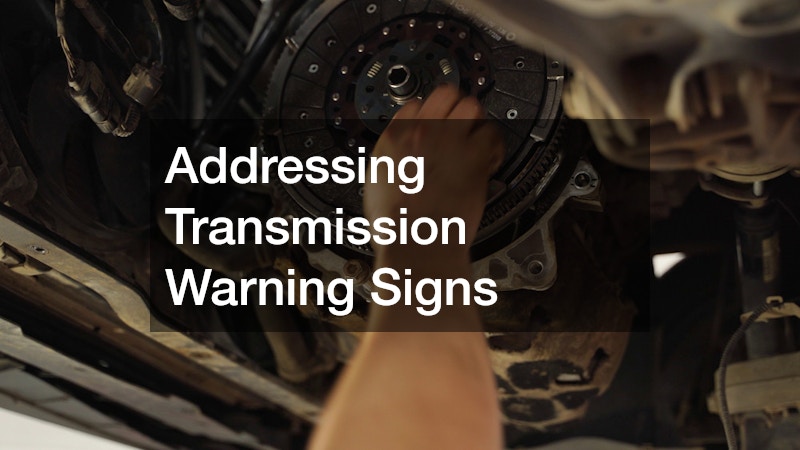
Transmission problems can become expensive when they are ignored for too long. Maintenance requirements vary by vehicle, but fluid condition and levels are often important considerations. Leaks, unusual noises, delayed engagement, slipping, or difficulty changing gears may indicate a transmission-related concern. These symptoms can become more serious when the vehicle continues to operate without appropriate attention.
Seeking auto transmission repair when problems first appear can help determine what is causing the issue. Depending on the situation, early attention may prevent a smaller transmission concern from developing into a larger mechanical problem. A vehicle may hesitate when shifting, make unfamiliar sounds, or respond differently when accelerating. These changes may seem minor at first, but they can indicate that the transmission system needs evaluation.
Potential transmission warning signs include:
- Delayed or rough shifting
- Transmission fluid leaks
- Unusual sounds during gear changes
- Slipping between gears
- Delayed vehicle movement after shifting
- Difficulty selecting certain gears
Professional transmission repair can involve identifying the source of the problem and determining what type of attention is appropriate. Prompt evaluation can be particularly useful when a vehicle shows repeated symptoms rather than a one-time issue. Maintenance can also help identify leaks and fluid-related concerns before they contribute to additional wear. Because transmission components can be expensive and complicated, addressing problems early may help reduce the possibility of more extensive repairs later.
Checking Fluids and Filters
Several fluids and filters help a vehicle operate properly. Engine oil, coolant, brake fluid, transmission fluid, power steering fluid, and windshield washer fluid each serve different purposes.
Filters also help keep contaminants away from important vehicle systems. Air filters, cabin filters, and other filtration components can become dirty over time. A restricted filter may affect performance or reduce the effectiveness of the system it supports.
Routine maintenance may involve reviewing:
- Engine oil condition
- Coolant levels
- Brake fluid
- Transmission fluid
- Power steering fluid, when applicable
- Windshield washer fluid
- Engine air filters
- Cabin air filters
Following recommended maintenance intervals can help keep these components in appropriate condition. Professional technicians can also identify leaks, contamination, or unusual fluid conditions that may point to a larger issue.
Maintaining the Battery and Electrical System
A vehicle’s electrical system supports starting, lighting, climate controls, safety equipment, and numerous other functions. The battery plays an important role, but it is only one part of the overall system.
Warning signs of battery or electrical problems may include slow engine cranking, dim lights, electrical accessories behaving inconsistently, or repeated starting difficulties. These symptoms can have several possible causes, including battery age, charging system concerns, or electrical faults.
Regular evaluation can help identify issues before a vehicle becomes difficult or impossible to start. Keeping the electrical system in good condition may also reduce the inconvenience and expense associated with unexpected breakdowns.
Protecting the Vehicle From Body Damage

Maintenance is not limited to mechanical systems. The vehicle’s exterior also benefits from timely attention. Scratches, dents, chipped paint, and other damage can affect appearance while potentially creating opportunities for corrosion or further deterioration.
A small dent may not seem urgent, but exposed or damaged surfaces can become more vulnerable to environmental conditions. Moisture, road salt, dirt, and other contaminants may contribute to corrosion when damaged areas are left untreated.
A car dent removal service may be appropriate when exterior damage needs professional attention. Addressing body concerns early can help prevent a small cosmetic issue from becoming a larger repair project.
Preserving Exterior Surfaces
Regular washing and appropriate exterior care can help remove substances that may gradually damage painted surfaces. Road grime, bird droppings, tree residue, salt, and other contaminants can remain on a vehicle if they are not removed.
Paint provides more than visual appeal. It also serves as a protective layer over the underlying metal and other materials. When paint becomes damaged or begins to deteriorate, the exposed area may become more susceptible to environmental effects.
Professional local auto body services can help assess exterior concerns when damage goes beyond normal maintenance. Timely attention may help preserve the vehicle’s appearance and reduce the chance of more extensive body-related work.
Repairing Windshield and Glass Damage
Glass damage is another issue that should receive timely attention. A small chip or crack can change as the vehicle encounters temperature changes, vibration, road impacts, or additional stress.
A damaged windshield can also affect visibility and the structural function of the vehicle. Even a small defect may become more difficult to address if it expands across the glass.
An auto glass repair service can evaluate damage and determine whether professional repair or another form of attention is appropriate. Addressing glass damage early may help prevent a small concern from developing into a larger one.
Keeping Up With Scheduled Services
Vehicle manufacturers generally provide maintenance schedules based on mileage, time, and driving conditions. These schedules may include oil changes, inspections, fluid services, filter replacement, tire rotation, and other maintenance tasks.
Following a schedule provides a structured way to keep up with vehicle needs rather than waiting for problems to appear. Some vehicles may require more frequent attention when they are used for frequent short trips, heavy loads, towing, extreme temperatures, or other demanding conditions.
Keeping records of completed car services can also make future maintenance easier to manage. Service records provide useful information about when particular components were inspected or replaced and can help identify recurring concerns.
A maintenance record may include:
- Dates of previous services
- Mileage at the time of service
- Parts that were inspected or replaced
- Fluid changes
- Tire-related maintenance
- Brake inspections
- Previous repair recommendations
Recognizing Changes in Vehicle Performance

Drivers often notice changes before a serious mechanical failure occurs. A vehicle may begin to vibrate, pull to one side, use more fuel, make unfamiliar noises, or respond differently during acceleration and braking.
These changes should be treated as potential warning signs rather than normal aging. While some changes may have simple explanations, others may point to developing mechanical or electrical problems.
Seeking professional evaluation when performance changes occur can help determine what is happening. Early diagnosis can sometimes limit the scope of future repairs by addressing a problem before it affects additional components.
Avoiding Deferred Maintenance
Putting off maintenance may seem like a way to save money in the short term, but delayed attention can increase costs when problems worsen. A worn component can place additional stress on related parts, creating a chain of damage.
For example, delaying brake maintenance can contribute to additional wear in the braking system. Ignoring a coolant leak can contribute to overheating. Continuing to drive with transmission symptoms can potentially increase the extent of internal damage.
Reasons to avoid delaying maintenance include:
- Small problems may become larger
- Additional components may become affected
- Repair costs may increase
- Vehicle downtime may become more likely
- Safety-related concerns may develop
- Unexpected breakdowns may become more difficult to plan for
Routine maintenance does not eliminate the possibility of unexpected failures, but it can reduce avoidable risks. It also gives vehicle owners more opportunities to address concerns before they become urgent.
Choosing Appropriate Professional Care
Not every vehicle concern requires the same type of professional attention. Mechanical problems may require an automotive technician, while exterior damage may be better evaluated by a body repair professional. Glass concerns may call for someone experienced with automotive glass.
Choosing the appropriate type of service can help with evaluating the underlying issue. For mechanical concerns, auto repair shops can assess systems such as the engine, brakes, suspension, and electrical components.
For exterior concerns, auto body shops may be appropriate for evaluating dents, scratches, paint damage, and related issues. A local auto body shop can also assess whether exterior damage involves more than what is visible on the surface.
Considering Local Repair Options
Local repair providers can be useful when a vehicle needs ongoing maintenance or attention to an emerging problem. Establishing a relationship with a nearby provider may make it easier to keep track of routine service and address concerns as they arise.
When looking for local auto repairs, consider factors such as:
- The type of work provided
- Experience with the vehicle’s particular concern
- Clear communication about recommended repairs
- Maintenance and inspection options
- Availability of relevant repair services
- Reviews and general customer feedback
For body-related concerns, a local auto body shop may provide an appropriate setting for assessing exterior damage. Having repairs evaluated promptly can help prevent minor problems from being overlooked.
Maintaining Vehicle Glass and Body Condition
A vehicle’s body and glass are exposed to constant environmental and road-related risks. Stones can create chips, parking areas can lead to dents, and weather can gradually affect exterior surfaces.
Keeping an eye on these areas is part of responsible vehicle maintenance. Promptly addressing damage may help prevent deterioration and reduce the chance that a relatively small concern will require more extensive work.
Professional services can cover different maintenance needs depending on the provider and the condition of the vehicle. Knowing which concerns need attention and addressing them at appropriate intervals can help keep maintenance manageable.
Planning for Long-Term Vehicle Ownership
Proper maintenance is ultimately about managing a vehicle over time. No vehicle lasts indefinitely without wear, and even well-maintained vehicles eventually require repairs or replacement of components. The goal of maintenance is to reduce unnecessary deterioration and identify problems as early as possible.
A consistent approach can also make vehicle expenses more predictable. Instead of dealing only with unexpected breakdowns, owners can plan for routine inspections and scheduled maintenance. This may make it easier to identify developing issues and budget for necessary work.
Regular attention can apply to everything from engine components and tires to the transmission, glass, and exterior. Addressing different areas as needed can help preserve vehicle condition and reduce the likelihood of preventable problems.
Reducing Repair Costs Through Consistent Maintenance
Proper maintenance cannot guarantee that a vehicle will never need repairs. Components wear out, accidents happen, and unexpected mechanical failures can occur even when a vehicle receives regular attention. However, consistent maintenance can help reduce some of the risks associated with neglect.
Addressing issues promptly can be an important part of managing long-term ownership costs. A proactive maintenance routine gives vehicle owners a better opportunity to identify concerns, plan for necessary work, and keep their vehicles operating in dependable condition.
Keeping Your Vehicle in Better Condition
Routine inspections, scheduled maintenance, attention to warning signs, and timely professional care can all contribute to better vehicle condition. Small issues deserve attention because they may become more complicated when left unresolved. From transmission concerns and brake wear to dents, windshield damage, and fluid leaks, early evaluation can help determine the appropriate next step.
Working with a qualified local auto body shop for exterior concerns and seeking appropriate professional care for mechanical issues can help keep maintenance organized. With consistent attention, vehicle owners can reduce avoidable problems and make costly repairs less likely over the long term.
About the Author