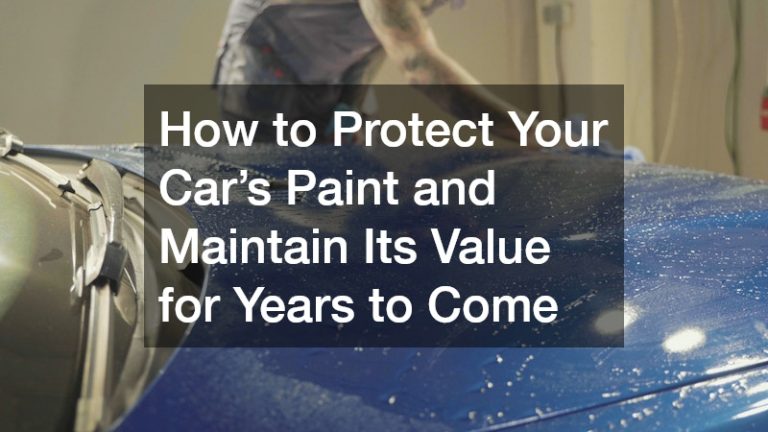
Most drivers don’t think much about repairs until an accident forces the issue. A collision, whether minor or severe, introduces unfamiliar processes, unexpected decisions, and time-sensitive steps that can feel overwhelming. Understanding how an auto collision service works gives drivers clarity when it matters most, helping them move through repairs with confidence rather than confusion. From the first inspection to final quality checks, each phase plays a role in restoring both safety and appearance.
Collisions often involve more than visible damage. Beneath dents or scratches may be alignment issues, compromised components, or mechanical concerns that need careful evaluation. Knowing what happens after an incident allows drivers to communicate more effectively with professionals and avoid rushed decisions. It also helps set realistic expectations around timelines, costs, and coordination with insurance providers.
This article breaks down the essentials every driver should know about auto collision service, starting with foundational definitions and moving through selection, repairs, and follow-up care. By understanding how these services connect with broader auto repair needs and post-accident maintenance, drivers can protect their investment and make informed choices long after the initial shock of a collision fades.
What Is Auto Collision Service?
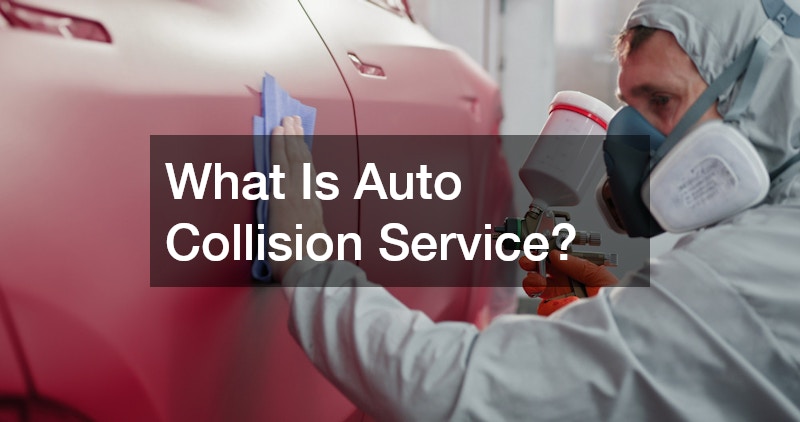
Definition And Key Components
An auto collision service focuses on restoring a vehicle after it has been damaged in an accident. This process begins with a thorough assessment to identify both visible and hidden issues caused by impact. Technicians evaluate structural integrity, exterior panels, safety systems, and any affected components before determining a repair plan. The goal is not only to fix cosmetic damage but to ensure the vehicle functions as intended.
Key components include damage documentation, repair authorization, parts sourcing, and quality control checks. An auto damage repair service often coordinates with insurance adjusters to confirm coverage and align on approved procedures. Throughout the process, communication between technicians, estimators, and vehicle owners is essential. Clear documentation ensures accuracy, while proper calibration and testing help confirm the vehicle meets safety standards before returning to the road.
Types Of Services Offered
Auto collision service encompasses a wide range of repair options depending on the nature of the damage. Common services include panel replacement, dent repair, frame straightening, paint refinishing, and glass replacement. These tasks address exterior damage while restoring the vehicle’s original appearance and alignment. In many cases, auto body repair is paired with diagnostic scans to verify that sensors and safety systems are working correctly.
Some collisions also require coordination with mechanical specialists. Suspension issues, steering misalignment, or braking concerns may surface after impact and fall under broader auto repair needs. A local auto body shop may work closely with a mechanic to ensure all affected systems are addressed. By offering comprehensive services, collision centers help reduce the risk of overlooked issues that could affect long-term performance.
How To Choose A Collision Service Center
Researching Local Options
Finding the right collision service center starts with researching options in your area. Drivers often begin by searching for local auto repairs that have experience handling collision-related damage. Online reviews, recommendations from friends, and referrals from insurance providers can offer insight into a shop’s reliability and communication style. Consistent feedback about transparency and workmanship is often a positive indicator.
Visiting or calling a local auto body shop before committing can also be helpful. Asking questions about repair processes, timelines, and post-repair inspections gives drivers a clearer picture of what to expect. A reputable center will be willing to explain procedures without pressure, helping drivers feel comfortable with their choice during an already stressful situation.
Evaluating Service Quality
Evaluating quality involves more than comparing estimates. Certifications, training standards, and equipment all contribute to repair outcomes. Shops that invest in ongoing education are better prepared to work with newer vehicle materials and advanced safety features. Warranty offerings also matter, as they reflect confidence in completed repairs.
Attention to detail is another sign of quality. Clean facilities, organized workflows, and clear documentation suggest a professional operation. An effective auto collision service prioritizes accuracy and safety over speed alone. Taking time to evaluate these factors helps drivers avoid future issues and ensures repairs are completed correctly the first time.
What To Expect During The Repair Process
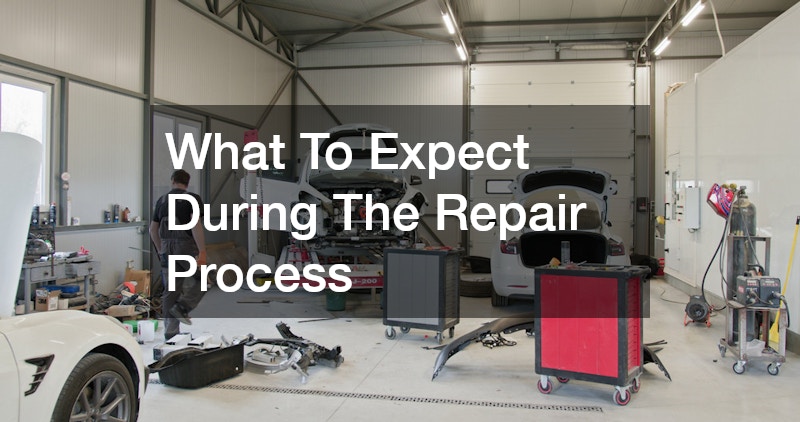
Initial Assessment And Estimate
The repair process begins with an initial assessment to determine the full scope of damage. Technicians inspect the vehicle for visible issues while also checking for underlying concerns that may not be immediately obvious. This evaluation forms the basis of the repair estimate, outlining labor, parts, and anticipated timelines. Estimates may evolve as repairs progress and additional damage is uncovered.
Clear communication during this stage is critical. Drivers should understand what the estimate includes and how changes are handled. An auto collision service will explain findings in plain terms and outline next steps before work begins. Transparency at this stage helps prevent misunderstandings and supports smoother coordination with insurance providers.
Timeline For Repairs
Repair timelines vary depending on damage severity, parts availability, and repair complexity. Minor cosmetic repairs may take only a few days, while extensive structural work can require additional time. Shops often provide estimated completion dates but may adjust them if unexpected issues arise during disassembly.
Factors such as specialized paint processes or calibration requirements can also influence timelines. While speed matters, quality and safety should remain the priority. Understanding these variables helps drivers set realistic expectations and plan transportation needs during the repair period.
How Insurance Works With Auto Collision Services
Understanding Coverage Types
Insurance plays a central role in how collision repairs are handled. Collision coverage typically applies when damage results from an accident involving another vehicle or object, while comprehensive coverage may address non-collision incidents. Understanding which coverage applies helps drivers anticipate out-of-pocket costs and approval requirements.
An auto collision service often works directly with insurers to submit estimates and documentation. This coordination helps streamline approvals and reduce delays. Knowing the basics of coverage allows drivers to ask informed questions and stay engaged throughout the process.
Filing A Claim
Filing a claim involves reporting the incident, providing documentation, and authorizing inspections. Drivers should gather photos, incident details, and repair estimates to support the claim. Prompt communication with both the insurer and repair facility helps prevent unnecessary delays.
Throughout the claim process, staying organized is key. Keeping records of conversations and approvals ensures clarity if questions arise later. When handled carefully, insurance coordination supports efficient repairs and a smoother overall experience.
What Are Common Repairs For Collision Damage?
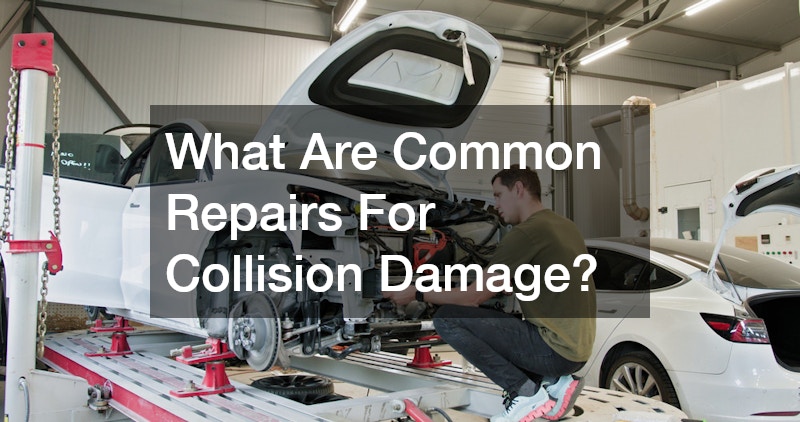
Body Repair Vs. Mechanical Repair
Collision damage often falls into two broad categories: body-related and mechanical. Body repairs address visible issues such as dents, creases, cracked panels, and structural alignment. These repairs focus on restoring the vehicle’s exterior shape and ensuring panels fit correctly. Auto body repair also includes correcting frame distortion that can affect handling and safety if left unresolved.
Mechanical repairs, on the other hand, involve systems affected by the impact but not always immediately visible. Steering components, suspension parts, or braking systems may shift or sustain stress during a collision. A mechanic may be needed to inspect and correct these issues as part of a larger auto repair process. Coordinating body and mechanical work ensures the vehicle is both safe to drive and visually restored after an auto collision service is completed.
Paint Matching And Finish
Paint restoration is one of the most detail-oriented aspects of collision repair. Matching the original color requires precision, as even slight variations can be noticeable under different lighting conditions. Technicians use manufacturer paint codes and blending techniques to ensure consistency across panels.
Beyond color, the finish itself matters. Proper curing, polishing, and surface preparation help protect the repaired area and maintain resale value. A quality auto collision service treats paint work as both a protective layer and a visual standard, ensuring repairs blend seamlessly with the rest of the vehicle rather than standing out over time.
What Is The Role Of Deductibles In Collision Service?
Understanding Your Deductible
A deductible is the portion of repair costs the vehicle owner is responsible for paying before insurance coverage applies. The amount is determined by the insurance policy and directly affects out-of-pocket expenses following a collision. Understanding this figure ahead of time helps drivers prepare financially when repairs are needed.
During an auto collision service, the deductible is typically paid to the repair facility once work begins or upon completion. Knowing how this cost fits into the overall repair process reduces surprises and allows drivers to make informed decisions when filing a claim.
Choosing The Right Deductible
Selecting a deductible involves balancing monthly premium costs with potential repair expenses. Higher deductibles often lower premiums but increase costs during a claim, while lower deductibles do the opposite. Drivers should consider their driving habits, vehicle value, and financial flexibility when choosing.
A thoughtful deductible choice can make future repairs less stressful. When paired with reliable local auto repairs and clear communication, the right deductible supports a smoother experience if an accident occurs again.
What Are Preventive Measures To Take After A Collision?

Documenting The Scene
Thorough documentation immediately after a collision plays a critical role in repairs and insurance claims. Photos of vehicle damage, surrounding conditions, and involved vehicles help establish an accurate record of the incident. Collecting witness information and noting details while they are fresh can also prevent disputes later.
This documentation supports both insurance filings and the repair estimate process. When an auto collision service reviews this information, it helps clarify damage origin and ensures repairs align with the reported incident.
Follow-Up Care
After repairs are completed, follow-up care is essential. Drivers should monitor how the vehicle handles, listens for unusual noises, and confirm that safety features function correctly. Scheduling a post-repair inspection can provide reassurance that all systems were properly addressed.
Additional services such as window tinting or a local ceramic coating service may also be considered after repairs to protect new paint or enhance comfort. These steps support long-term vehicle care beyond the immediate collision response.
How To Maintain Your Car After Repairs
Routine Checks And Maintenance
Ongoing maintenance plays a key role in preserving the quality and longevity of collision repairs. Simple, routine checks such as monitoring wheel alignment, watching for uneven tire wear, and keeping an eye on fluid levels can help identify small concerns before they turn into larger, more costly problems. Even after a successful auto collision service, remaining attentive to how the vehicle drives, sounds, and responds ensures that repairs continue to perform as intended over time.
Drivers may also benefit from scheduling periodic visits for local auto detailing to maintain both interior and exterior condition. Clean surfaces make it easier to notice subtle changes, such as paint inconsistencies or trim issues, that might otherwise go unnoticed. Consistent upkeep helps the vehicle maintain a uniform appearance and supports the overall integrity of repaired areas.
Understanding Warranty And Guarantees
Most reputable repair centers offer warranties covering workmanship and parts used during repairs. These warranties provide peace of mind and outline what is covered if issues arise later. Understanding warranty terms helps drivers know when to return to the shop for adjustments.
Keeping repair records organized supports warranty claims and future maintenance planning. A dependable local auto body shop will explain warranty coverage clearly and stand behind completed work.
Being informed about collision repairs empowers drivers to navigate an otherwise stressful experience with clarity and confidence. From understanding assessments and insurance coordination to recognizing the difference between cosmetic and mechanical repairs, knowledge helps prevent rushed decisions. An auto collision service is not just about fixing damage but restoring safety, reliability, and peace of mind.
Collisions often reveal how interconnected vehicle services truly are. Body repairs may lead to mechanical inspections, paint restoration may be followed by protective treatments, and post-repair maintenance ensures lasting results. By choosing experienced professionals and staying engaged throughout the process, drivers protect both their vehicles and their investment.
Preparation also matters before an accident ever occurs. Knowing how deductibles work, how to document an incident, and what follow-up steps to take makes recovery smoother. Whether coordinating with insurance, consulting a mechanic, or selecting a trusted repair facility, informed drivers are better equipped to handle unexpected situations. Understanding auto collision service basics ultimately leads to safer roads and better long-term vehicle care.
About the Author