Taking a proactive approach to seasonal preparation is the single best way to protect your automotive investment. By understanding how weather patterns stress specific vehicular systems, you can implement a targeted, year-round maintenance strategy. This comprehensive guide breaks down the essential bumper-to-bumper steps necessary to fortify your car against nature’s elements, ensuring optimal performance, safety, and cabin comfort no matter what the thermometer says.
1. Fortifying the Cabin Against Solar Radiation

Summer brings long road trips and beautiful weather, but it also introduces intense ultraviolet rays that can wreak havoc on your vehicle’s glass structures. When a car sits under direct sunlight, the glass absorbs solar energy, creating massive temperature differentials between the blistering exterior surface and the air-conditioned interior. This thermal expansion puts immense pressure on the windshield. If you have an unresolved rock chip or a minor stress crack, the sudden temperature shock of turning on your air conditioning can cause that small blemish to spiderweb instantly across your field of vision. Addressing these glass issues before the peak of summer is a critical safety step, often requiring a complete window replacement to restore the structural strength that your vehicle relies on during a rollover accident.
Beyond the safety risks of compromised glass, the sheer volume of heat entering a vehicle can make driving unbearable and degrade your interior materials. Applying a high-quality layer of auto tinting to your side and rear windows serves as a highly effective barrier against this solar onslaught. Modern ceramic films block a significant percentage of total solar energy and dangerous ultraviolet radiation without interfering with your cellular signals. By reducing the ambient temperature inside the cabin, you significantly lower the workload on your air conditioning compressor. This smaller mechanical load directly translates to better fuel economy and less wear on your engine’s cooling system during long, idling summer traffic jams.
2. Upgrading Under Carriage Protection for Mud and Deluges
As winter thaws into spring, drivers face a completely different set of environmental hazards. Melting snow combined with heavy seasonal downpours turns unpaved roads into deep mud mires and creates massive potholes on paved highways. Standard factory ride heights are rarely optimized for these unpredictable road conditions, leaving low-hanging oil pans, exhaust pipes, and transmission linkages incredibly vulnerable to impact damage. If you frequently navigate rural routes or enjoy exploring off-road trails during the wetter months of the year, modifying your suspension becomes less about aesthetics and much more about mechanical survival.
Investing in high-quality lift kits provides the necessary ground clearance to safely clear deeply rutted paths and standing water without scraping vital underbody components. Increasing the distance between the frame and the ground also allows you to fit larger, more aggressive all-terrain tires that offer superior traction in slick mud. However, altering a vehicle’s suspension geometry changes the angles at which power is transferred from the transmission to the wheels. To prevent severe driveline vibrations and premature wear on your universal joints, it is wise to pair suspension upgrades with a professional driveshaft service. Ensuring that your intermediate shafts, slip yokes, and drive axles are perfectly balanced and operating within safe angular tolerances prevents catastrophic mechanical failure when you are miles away from civilization.
3. Outfitting Heavy Utility Vehicles for Winter Disasters
When the forecast calls for freezing temperatures and major snow accumulation, standard consumer vehicles must share the road with heavy-duty utility trucks tasked with keeping infrastructure moving. Preparing a working truck for brutal winter conditions requires specialized equipment that goes far beyond a simple set of snow tires. For property owners and commercial operators looking to generate revenue or maintain clear access routes during a blizzard, completing a professional snow plow installation is the ultimate winter upgrade. This process involves mounting robust frame brackets, integrating heavy-duty hydraulic pumps, and wiring auxiliary electrical systems directly into the truck’s central control unit.
Operating a heavy steel blade in sub-zero conditions puts immense strain on a truck’s front suspension and electrical charging system. The battery and alternator must work double-time to power the hydraulic lift motors while running the heater, windshield wipers, and headlights simultaneously. Because winter weather accelerates mechanical fatigue, components can fail without warning under these heavy workloads. When an alternator quits or a starter motor freezes up in the middle of a midnight clearing shift, buying a brand-new factory replacement from a dealership can take days and cost a small fortune. Smart fleet operators mitigate these sudden financial hits by sourcing a verified, high-quality used car part from a reliable supplier, allowing them to get their machinery back into service immediately without destroying their winter operational budget.
4. Restoring Cabin Sanitation After Harsh Weather Transitions
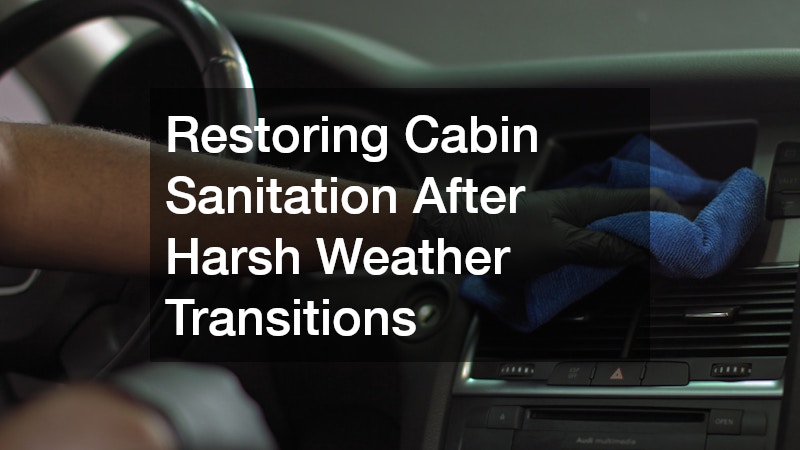
While mechanical reliability is paramount, the physical condition of your interior cabin plays a massive role in your everyday driving experience and the long-term resale value of the vehicle. Winter is particularly cruel to car interiors. Every time a driver or passenger climbs inside during a storm, they track in moisture, mud, slush, and highly corrosive road salt. Once this mixture seeps deep into the floorboards, the enclosed, heated environment of the cabin creates a perfect breeding ground for mold, mildew, and stubborn odors. Furthermore, as spring arrives and humidity rises, these trapped contaminants begin to break down carpet fibers and discolor factory fabrics.
Vacuuming alone cannot lift the crystalline salt structures and deep-seated grime that attach themselves to floor mats and seat bottoms. Scheduling a deep, hot-water extraction upholstery cleaning is essential to lift these stubborn stains and neutralize the acidic compounds that ruin automotive fabrics. Professional technicians use specialized chemical counter-agents that break down the chemical bonds of road salt, pulling the residue out of the foam padding beneath the fabric. This process not only revitalizes the aesthetic appearance of your cabin but also dramatically improves interior air quality by removing embedded allergens, dust mites, and fungal spores before you turn on your ventilation system for the summer season.
5. Leveraging Sustainable Sourcing for Affordable Repairs
The cycle of seasonal driving inevitably leads to minor cosmetic blemishes and component degradation. Winter fender-benders on icy patches often result in cracked bumper covers, broken side mirrors, or dented quarter panels. Rather than filing insurance claims that raise monthly premiums or paying premium retail prices for brand-new exterior trim pieces, budget-conscious car owners can turn to alternative sourcing methods. Navigating a local auto salvage yard is an eco-friendly and highly economical strategy for finding authentic original equipment manufacturer parts that match your vehicle’s specific make and model.
6. Liquidating Inoperable Vehicles Before Seasonal Decline
Every car owner eventually faces the realization that a particular vehicle has reached the end of its useful life. Perhaps it is an old commuter car that suffered a cracked engine block during a sudden winter freeze, or a project vehicle that has sat in the driveway accumulating rust for several summers. Leaving an inoperable vehicle exposed to the elements through changing seasons accelerates its decay. Fluids leak into the soil, rodents nest inside the wiring harness, and moisture permanently locks up the braking system, turning a once-restorable machine into a worthless environmental hazard that code enforcement officers love to fine you for.
Instead of letting an unused asset take up space and depreciate into total worthlessness, you can convert that metal liability into immediate funding for your primary vehicle’s seasonal maintenance. Utilizing a reputable service that trades scrap cars for cash is a seamless way to clear your property and clean up your yard before the next major weather system hits. These logistics providers will typically dispatch a tow truck directly to your home, winch the non-running vehicle out of the mud, fill out the necessary title transfer paperwork, and hand you legal currency on the spot. This instant influx of capital can easily fund a new set of winter tires, a fresh battery, or an emergency mechanical fund for your household’s primary daily driver.
7. Managing Essential Fluid Health Across Thermal Fluctuations
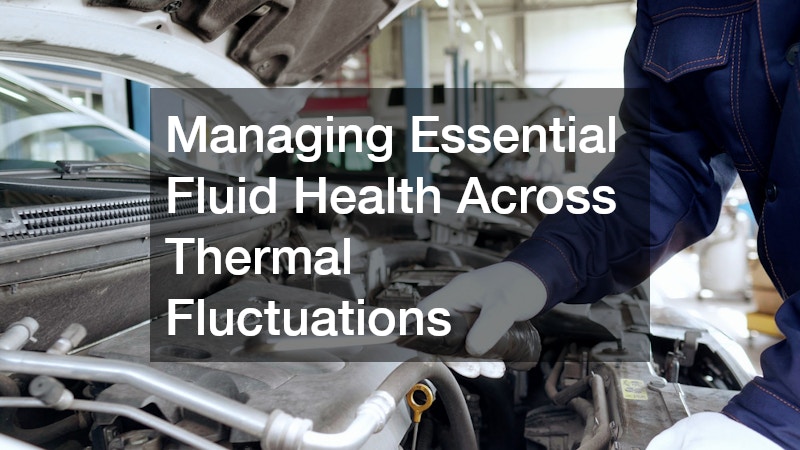
Your engine relies on a variety of specialized fluids to lubricate moving parts, dissipate extreme heat, and facilitate hydraulic pressure. These liquids are highly sensitive to temperature changes, and their viscosity alters dramatically depending on the ambient air temperature. Failing to monitor fluid conditions between seasons is one of the leading causes of preventable engine and transmission failures.
-
Engine Oil Adjustments: Thicker oil grades struggle to circulate through an engine during sub-zero morning starts, leaving critical overhead cams dry for several seconds. Conversely, thin oil can shear and lose its protective film strength under heavy summer towing conditions.
-
Coolant Concentration: The mixture of antifreeze and distilled water must be precisely calibrated. A fifty-fifty ratio is standard, but extreme northern winters may require a sixty-forty mix to prevent the liquid from freezing solid and cracking the engine block.
-
Brake Fluid Inspections: Brake fluid is hygroscopic, meaning it actively absorbs moisture from the air. In high-humidity spring and summer months, water contamination lowers the boiling point of the fluid, leading to a spongy brake pedal during heavy downhill braking.
-
Power Steering Degradation: Extreme cold increases the thickness of power steering fluid, causing pumps to whine and seals to leak under pressure. Regularly flushing this system prevents premature steering rack failure.
8. Evaluating Electrical Systems for Peak Performance Demands
Battery failure is synonymous with extreme weather, but many drivers do not realize that summer heat is actually what dooms a battery for the upcoming winter. High engine bay temperatures accelerate the internal corrosion of battery plates and cause the liquid electrolyte inside to evaporate. When the cold weather finally arrives, the weakened battery cannot chemically produce enough cranking amps to turn over a cold, stiff engine.
9. Optimizing Braking Systems for Friction and Control
Your brakes are the single most important safety feature on your vehicle, and their efficiency is directly linked to road surface conditions. When transitioning into wet or icy seasons, any existing imbalance in your braking system becomes magnified, potentially causing the vehicle to pull violently to one side or slide out of control during an emergency stop.
Regularly inspecting the thickness of your brake pads and the surface finish of your rotors is paramount. Look for uneven wear patterns across the inner and outer pads, which indicate that your brake calipers are sticking on their slider pins due to road grime and salt exposure. Clean and lubricate these slider pins with high-temperature silicone grease during your seasonal tire changeover. If your rotors show deep grooves or rust pitting around the perimeter, have them resurfaced or replaced to maximize pad contact area. Ensure your anti-lock braking system sensors are clean and free of metallic debris, as these electronic eyes are vital for maintaining steering control on slick, rain-soaked asphalt or hard-packed snow.
10. Maintaining Tire Integrity and Pressure Stability
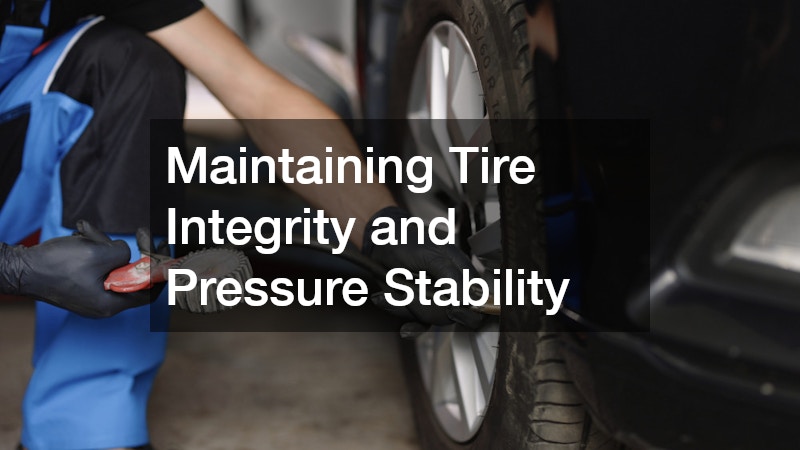
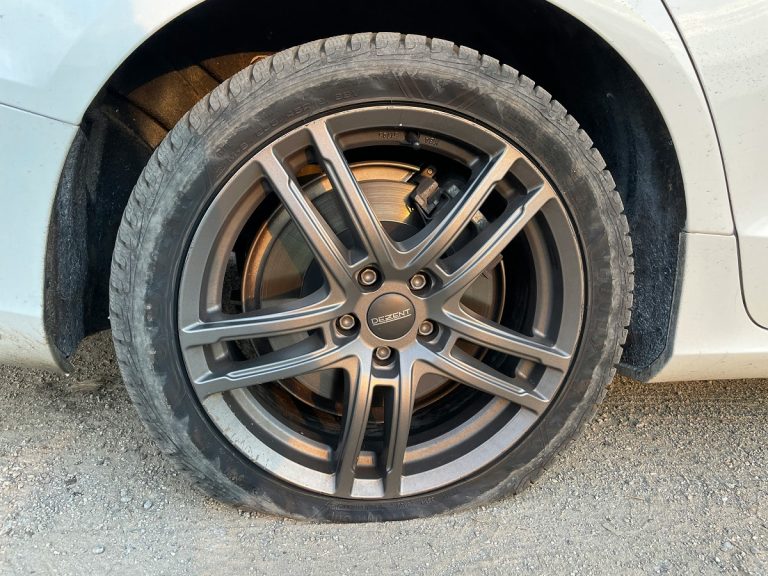
Driving on underinflated tires during the winter causes excessive sidewall flexing, which generates heat and can lead to a catastrophic blowout on the highway. Conversely, overinflation during hot summer months reduces the tire’s contact patch, compromising traction and causing premature wear down the center of the tread. Beyond monitoring pressure, verify that your tread depth is sufficient for the upcoming weather. While a tire with small tread markings might perform fine on dry summer pavement, it will hydroplane instantly in a heavy spring downpour or spin helplessly on a snow-covered hill. Rotating your tires every six thousand miles ensures even wear across all four corners, maximizing their lifespan and balancing your traction profile.
Navigating the cyclical realities of vehicle ownership requires a shift in mindset from reactive damage control to proactive asset protection. Every season brings a predictable set of environmental stressors designed to break down your vehicle’s mechanical components, degrade its structural integrity, and ruin its aesthetic appeal. By establishing a structured, year-round inspection routine, you can intercept these issues before they escalate into hazardous failures or budget-breaking repair bills.
Whether you are tinting windows to combat summer glare, modifying your suspension to handle muddy backroads, or utilizing cost-effective sourcing methods to replace worn components, consistent care pays massive dividends. A well-maintained vehicle operates more efficiently, burns less fuel, retains a higher resale value, provides a safer environment for you and your passengers, etc. Do not wait for the first freezing blizzard or blistering heatwave to discover the weak points in your maintenance routine. Grab your tire gauge, pop your hood, and start preparing your vehicle today for whatever challenges the horizon holds.
About the Author